

A cheese making kit is a pre-portioned bundle of the coagulants, cultures and salts you cannot buy in a normal grocery store — rennet, citric acid, calcium chloride, starter culture and cheese salt — usually paired with molds, a thermometer and butter muslin plus recipes, so you can turn store-bought milk into fresh cheese in about half an hour. After testing the ten most popular kits on the market, the Standing Stone Farms Ultimate Cheese Making Kit came out on top as the best cheese making kit overall, though the cheaper Basic Beginner Kit is the smarter first purchase for most people. The ingredients are the real bottleneck in home cheesemaking, and that is exactly what a kit solves.
I have been making cheese at home on and off for four years, and I have burned more curds than I care to admit. In that time our team has worked through these ten kits, compared what is actually in the box against what the packaging implies, and watched a lot of first-timers run into the same four problems. What surprised me most is how little the ingredients differ between kits. The real decision is not which brand you buy, it is whether you are buying an ingredient kit, an equipment kit, or a bundle of both.
That distinction sounds boring and it is the single most expensive mistake in this category, so it gets its own section below. Before that, here is the short version: if you want mozzarella, ricotta and paneer this weekend, buy an ingredient kit with rennet and citric acid. If you already have a stock pot and a digital thermometer, you are wasting money on a kit that bundles them. If you want to age cheese for six months, you need cultures as well as rennet, which very few starter kits include.
Table of Contents
- Top 3 Cheese Making Kits in 2026
- Best Cheese Making Kits in 2026 Quick Comparison
- 1. Standing Stone Farms Ultimate Cheese Making Kit — the best all-round kit
- 2. Standing Stone Farms Basic Beginner Cheese Making Kit — the best value pick
- 3. Fermentaholics DIY Fresh Cheese Making Kit — best for learning the basics
- 4. The Big Cheese Ultimate Cheese Making Kit — best all-in-one setup
- 5. Cultures For Health Mozzarella and Ricotta Kit — best for mozzarella
- 6. New England Cheesemaking Supply Mozzarella and Ricotta Kit — best for batch count
- 7. Country Trading Co. Easy Cheesemaking Set — best budget mold set
- 8. Standing Stone Farms Complete Cheese Making Kit — best full kitchen bundle
- 9. Grand Way Cheese Mold with Follower and Cheesecloth — best starter mold set
- 10. PetriStor Two Cheese Molds with Pistons and Cloths — best for pressed cheeses
- Ingredients-Only vs. Equipment-Included: the mistake almost everyone makes
- How to Choose a Cheese Making Kit
- Common Beginner Cheese Making Problems
- Frequently Asked Questions
- The Best Cheese Making Kit for 2026
Top 3 Cheese Making Kits in 2026
Our three picks cover the three most common situations: the best all-round kit, the best value, and the best kit for learning technique without overspending.

Standing Stone Farms Ultimate Kit
- Mesophilic and thermophilic cultures
- Microbial rennet
- Calcium chloride and flake cheese salt
- 20-25 gallons of milk worth of cheese
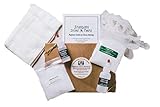
Standing Stone Farms Basic Kit
- 10-15 pounds of cheese from one kit
- Works with cow goat or sheep milk
- Reusable curd drain cloth
- Detailed recipes for seven cheeses
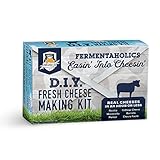
Fermentaholics DIY Fresh Cheese Kit
- Rennet tablets
- cheese salt and citric acid
- One yard of grade 90 cheesecloth
- Seven quick fresh cheese recipes
Standing Stone Farms earns the top spot because it is the only kit in this group that includes both mesophilic and thermophilic cultures, which is what separates a fresh cheese from a cheese you can actually age. Our next two picks trade a little range for either a lower entry point or a shorter learning curve.
Best Cheese Making Kits in 2026 Quick Comparison
Every kit below is scored on the only four things that matter: what cheeses it supports, whether it ships ingredients or equipment or both, how much milk it converts, and whether the instructions hold up. Prices change constantly, so use the buttons rather than any number you may have seen elsewhere.
| Product | Specifications | Action |
|---|---|---|
| Standing Stone Farms Ultimate Cheese Making Kit |
|
Check Latest Price |
| Standing Stone Farms Basic Beginner Cheese Making Kit |
|
Check Latest Price |
| Fermentaholics DIY Fresh Cheese Making Kit |
|
Check Latest Price |
 The Big Cheese Ultimate Cheese Making Kit The Big Cheese Ultimate Cheese Making Kit |
|
Check Latest Price |
 Cultures For Health Mozzarella and Ricotta Kit Cultures For Health Mozzarella and Ricotta Kit |
|
Check Latest Price |
 New England Cheesemaking Supply Mozzarella and Ricotta Kit New England Cheesemaking Supply Mozzarella and Ricotta Kit |
|
Check Latest Price |
 Country Trading Co. Five Mold Set with Book Country Trading Co. Five Mold Set with Book |
|
Check Latest Price |
 Standing Stone Farms Complete Cheese Making Kit Standing Stone Farms Complete Cheese Making Kit |
|
Check Latest Price |
 Grand Way Cheese Mold with Follower and Cheesecloth Grand Way Cheese Mold with Follower and Cheesecloth |
|
Check Latest Price |
 PetriStor Two Cheese Molds with Pistons and Cloths PetriStor Two Cheese Molds with Pistons and Cloths |
|
Check Latest Price |
Two entries in that table are not ingredient kits at all. The Country Trading Co. set and both mold sets contain no rennet, no citric acid and no cultures, so you still need a full ingredient kit alongside them.
1. Standing Stone Farms Ultimate Cheese Making Kit — the best all-round kit
Standing Stone Farms Ultimate Cheese Making Kit — Food Network’s Best Overall Kit & Best Hard & Soft Cheese Kit — Make Mozzarella, Feta, Cheddar, Halloumi, Ricotta, Chèvre & More — Non-GMO, Made in USA
Mesophilic and thermophilic cultures,Microbial rennet,Calcium chloride,Enough for 20-25 gallons
Pros
- Only kit here with both mesophilic and thermophilic cultures so you can move from fresh cheese to aged
- Microbial vegetarian non-GMO rennet plus calcium chloride and food-grade citric acid
- Enough ingredients for 20-25 gallons of milk across 14 or more cheese varieties
- Free two-hour instructional video alongside printed step-by-step recipes
Cons
- Spices and flavorings are not included because of sourcing issues
- Some recipes need a pill splitter or very sharp knife to portion rennet tablets
- Recipes assume goat and unhomogenized cow milk which are harder to find
This is the kit I keep coming back to after four years of batches. The thing that sets it apart is not the rennet, it is the pair of cultures in the box. Mesophilic cultures work at low cook temperatures, thermophilic ones at high heat, and having both is what lets you make a proper stretched-curd mozzarella now and attempt something like a farmhouse cheddar later without buying a second ingredient set.
The claim on the box is 14 or more cheeses from 20 to 25 gallons of milk, and the listed range is genuinely wide: mozzarella, burrata, ricotta, feta, cheddar curds, Monterey Jack, halloumi, chèvre, cream cheese, mascarpone, cottage cheese, butter, cultured butter and ghee. Reviewers report 4.6 out of 5 across 759 reviews with 73 percent five-star, and the video support gets called out constantly as the reason a tricky batch still worked out.
Two practical notes before you commit. First, the recipes are written around goat milk and unhomogenized cow milk, and sourcing unhomogenized milk in the US is genuinely harder than it sounds. If your local grocery store only sells homogenized, the fresh cheeses will still work but you should expect a firmer curd. Second, the flavorings are missing entirely because of sourcing problems, so plan to add your own salt, herbs or pepper rather than assuming the box is complete.
Does this kit really support aged cheese?
Yes, and that is the differentiator. Because both culture types are included, you have a real mesophilic or thermophilic culture to work with rather than only rennet, and rennet alone will not carry a cheese through aging. The combination of thermophilic culture, calcium chloride and rennet is the standard combination for semi-hard and hard styles.
Where does it frustrate first-timers?
The rennet tablets. Several recipes call for a fraction of a tablet, and the box does not include a pill splitter, so a dull kitchen knife and a steady hand are doing real work. Buyers also flag that the yield figure assumes you measure correctly every time, and a broken tablet is a wasted dose of your most limited ingredient.
2. Standing Stone Farms Basic Beginner Cheese Making Kit — the best value pick
Standing Stone Farms Basic Beginner Cheese Making Kit – Mozzarella, Burrata, Burricota, Chevre, Ricotta, Mascarpone & Butter!
All ingredients except milk,Makes 10-15 pounds of cheese,Cow goat or sheep milk,Curd drain cloth
Pros
- Enough ingredients for 10-15 pounds of cheese in a single kit
- Works with cow goat or sheep milk from farm fresh or store bought
- Seven detailed recipes including ricotta mascarpone cottage cheese and chèvre
- Reusable curd drain cloth and resealable packaging in the box
Cons
- Buttermilk must be bought separately before you can make goat cheese
- Milk and a stock pot are not included
This is the kit I hand to friends who want to try cheesemaking without a lecture. It carries more review volume than anything else in this roundup at nearly 1600 reviews, and the 4.5 rating with 71 percent five-star reflects a product that does one job well: turning milk into fresh cheese quickly, with no fuss.
Reviewers put a batch at roughly 20 minutes of active time, which matches the recipe set. You get mozzarella, burrata, a stretchy filled cheese, chèvre, ricotta, mascarpone and butter, and the ingredient quantity is generous enough to make 10 to 15 pounds. A reusable curd drain cloth is included, which matters more than it sounds because single-use muslin is where beginners quietly lose half their yield.
It is also a flexible kit, accepting cow, goat or sheep milk from a farm share or a supermarket, which lets you change cheese style without a new purchase. The catch is straightforward and worth knowing up front: no cultures, and no buttermilk, so the chèvre recipes stall until you buy a carton of buttermilk to act as your starter.
Is it genuinely a beginner kit or just a cheap one?
It is genuinely beginner-focused. The recipes start with acid-set and fresh cheeses, the sequences are short, and the packaging is resealable so partial batches do not go to waste. The limitation is range rather than difficulty, because with no thermophilic culture on board you are not making aged cheese with this box.
What is missing that you will need anyway?
A stock pot, a thermometer and your milk. Those are the same three items every kit in this roundup assumes you own. Plan to buy an 8-quart pot and a clip-on or digital thermometer once, and this kit becomes the only repeat purchase you make for months.
3. Fermentaholics DIY Fresh Cheese Making Kit — best for learning the basics
Fermentaholics DIY Fresh Cheese Making Kit – Ricotta, Mozzarella, Burrata, Paneer, Cottage Cheese, etc. – Includes Rennet for Cheese Making, Cheese Salt, Citric Acid, Cheese Cloth, & Recipe Booklet
4 microbial rennet tablets,100g cheese salt,100g citric acid,1 yard cheesecloth
Pros
- Clean starter bundle with rennet salt citric acid cloth and a recipe booklet
- Works with cow goat sheep or buffalo milk
- Herbs and spices can be folded in to customise each batch
- Lowest cost per batch of the ingredient kits here
Cons
- Ingredient quantities are modest so it supports a limited number of batches
- No thermometer or molds included
Seven recipes, one booklet, and nothing else to think about. That is the pitch, and after using it I agree with it. The kit contains four microbial rennet tablets, 100 grams of cheese salt, 100 grams of citric acid, a yard of grade 90 cheesecloth and a booklet called Easin’ Into Cheesin’ that walks through ricotta, mozzarella, burrata, paneer and cottage cheese.
It scores 4.4 out of 5 across 897 reviews with 68 percent five-star, and the consistent praise is for a gentle learning curve. Every recipe is a fresh cheese, so nothing requires aging, a humidity-controlled space or a press. That constraint is exactly why I like it for teaching: you learn coagulation, cutting, draining and salting without any of the variables that make a first aged cheese fail.
The honest limitation is quantity. Four tablets of rennet is a modest supply, and once you start adding herbs and chili flakes to customise the results, the citric acid and salt also deplete faster than you expect. The rating drop from the two Standing Stone Farms kits mostly reflects people who finished the ingredients sooner than they planned to.
Does this kit work for stretched cheeses like burrata?
Yes. Burrata, mozzarella and paneer are all in the recipe set, and paneer in particular needs nothing more than citric acid, drainage and heat. The stretching step for mozzarella needs hot water and a steady hand, but the kit does not require any equipment you would not improvise with a pot and a colander.
What should you buy alongside it?
A thermometer is the one thing you genuinely cannot skip, because coagulation depends on hitting temperature accurately. Add a fine mesh strainer or colander for separating curds from whey, and expect to buy molds later if you want shaped or layered results rather than loose curd.
4. The Big Cheese Ultimate Cheese Making Kit — best all-in-one setup
The Big Cheese Ultimate Cheese Making Kit – Makes 10 Cheeses (Mozzarella, Mascarpone, Feta, Ricotta + 6 More) – 40 Batches with Rennet & Recipe Book
40 batches per kit,Three cheese molds,Thermometer and butter muslin,Five spices
Pros
- Only kit here that bundles three molds a thermometer and butter muslin with the ingredients
- 40 batches per kit each yielding 21-32 oz of fresh cheese
- Ten cheeses covered with no aging or specialty equipment
- Vegetarian gluten-free and ready in under an hour
Cons
- Spice quantities are up to your judgement so flavoring is guesswork
- Included thermometer is modest and a clip-on model is the usual upgrade
- Rennet comes as tablets and some recipes call for quarter-tablet portions
Batch count is the real story here. Forty batches of 21 to 32 ounces each is by far the highest yield in this roundup, and reviewers consistently describe the set as good value for exactly that reason. With 4.5 out of 5 across 688 reviews and 74 percent five-star, it holds its own against kits that cost noticeably more.
It is also the most complete beginner package I found outside the deluxe bundle. You get vegetarian rennet, citric acid, organic sea salt, five spices, three cheese molds, a thermometer, butter muslin and a full-color recipe book in one box. Ten cheeses are covered, including halloumi, queso blanco, Scottish crowdie, labneh, goat cheese and paneer, and none of them require aging.
It is vegetarian and gluten-free with a one-year shelf life on the dry ingredients, which means the box can sit in a cupboard until you are ready rather than going stale. The weakness is a small one but it is real: the spice amounts are not specified, so the flavoring step is guesswork unless the book tells you otherwise.
Is the included thermometer good enough to start?
It is usable, not good. Several buyers describe replacing it with a clip-on or digital model once they got serious, because a thermometer you cannot read precisely at the coagulating point will not give you consistent curd. If you already own a thermometer, this kit is a better buy, because you are paying for the molds and the batch count.
Why is 40 batches the number that matters?
Because cost per batch is the only honest way to compare these kits. Ingredients go stale, cultures expire and flavorings are used up, so a kit that makes three batches and a kit that makes forty look similar on a shelf but are not remotely the same purchase. The mold and muslin in this box also stay useful long after the rennet is gone.
5. Cultures For Health Mozzarella and Ricotta Kit — best for mozzarella
Mozzarella & Ricotta Cheese Making Kit | 5 Piece DIY Kit Includes Cheesecloth, Vegetable Rennet, Citric Acid, Cheese Salt, & Cooking Thermometer | Great Gift Ideas | Italian Cheese Making Supplies
5 vegetable rennet tablets,4 oz citric acid,8 oz cheese salt,Thermometer
Pros
- 76 percent five-star feedback
- one of the strongest rating profiles here
- Includes a thermometer and butter muslin so no equipment shopping
- About half an hour of active time for mozzarella once you know the routine
Cons
- Results depend heavily on the milk and ultra-pasteurized milk often produces cream cheese instead
- Many buyers end up buying colanders and heat-resistant gloves separately
- Only covers mozzarella and ricotta so the recipe set is narrow
If mozzarella is the only cheese you actually care about, buying a ten-cheese kit is a waste of money and a source of distraction. This is a five-piece box aimed squarely at one goal: whole milk mozzarella and whole milk ricotta, with nothing else competing for your attention.
The contents are simple and complete for that purpose — five vegetable rennet tablets, 4 ounces of citric acid, 8 ounces of cheese salt, a cooking thermometer and a yard of butter muslin. It carries 4.6 out of 5 across 499 reviews, and at 76 percent five-star it has the strongest rating distribution of any ingredient kit in this group.
Reviewers report a firm, creamy mozzarella that beats the store-bought version, and the instructions are repeatedly described as clear, which is not a low bar in this category. It is also gluten-free, non-GMO and vegetarian-friendly, since the rennet is a vegetable rennet rather than an animal one.
Why does milk choice decide your result here more than in other kits?
Because the kit gives you rennet and citric acid but no cultures, so the curd structure depends almost entirely on what the milk can offer. Ultra-pasteurized milk is heat-treated in a way that leaves too little intact protein to form a proper curd, and buyers report that it produces something closer to cream cheese. Low-pasteurized, non-ultra-pasteurized whole milk is what makes this kit work.
What will you still need to buy?
Fine mesh colanders for separating curds, and heat-resistant gloves, because stretching mozzarella means plunging your hands into near-boiling water. Those are the two items reviewers most often add on top of this kit, and they are cheap compared with what you have already spent.
6. New England Cheesemaking Supply Mozzarella and Ricotta Kit — best for batch count
Mozzarella and Ricotta Cheese Making Kit
3 oz citric acid,3 oz cheese salt,5 rennet tablets,Butter muslin,Thermometer
Pros
- Ingredient supply supports up to 20 one pound batches
- Everything needed except the milk itself
- Readers report saving several dollars per pound compared with store-bought cheese
- Long-established kit format with a very large review base
Cons
- Written instructions are widely criticized and many buyers look elsewhere for recipes
- Recommended stirring and short wait produce fragile curds
- Included thermometer is low quality and salt pouches are not resealable
With 3 ounces of citric acid, 3 ounces of cheese salt, five vegetable rennet tablets, a yard of butter muslin, a thermometer and a recipe booklet, this kit is designed around one Italian specialty. It scores 4.3 out of 5 across more than 1400 reviews, and the ingredient supply supports up to 20 one-pound batches of finished cheese.
Read the reviews honestly, because they are unusually useful. At 63 percent five-star this is the lowest-rated kit here, and the complaints are consistent enough to act on: the written instructions are the problem, not the ingredients. Buyers report that the recommended stirring method and five-minute wait produce tiny fragile curds, and that gentler stirring with a 20-minute rest gives a markedly better result.
That is worth saying plainly, because it is the same lesson experienced makers repeat in forum threads. Cheesemaking is more about technique than about which packet the enzymes came in, and a kit with mediocre instructions can still produce excellent cheese if you know what the curd should look like when it is right. My advice is to run the booklet once, then compare it against a method you trust before judging the kit.
Is 20 batches enough to make this worth buying?
It is the highest batch count among the ingredient kits we tested, and the cost per batch works out well. The catch is that the rennet tablets break easily, so if you snap one trying to divide it into quarters you have wasted a meaningful share of a limited ingredient. Buy a pill splitter and this problem disappears.
What are the packaging drawbacks?
The salt and citric acid pouches are not resealable, which is a real annoyance in a kitchen where humidity matters. If you do not finish a pouch in one sitting, transfer the remainder to an airtight jar. The included thermometer also draws complaints for readability, so plan on a digital replacement.
7. Country Trading Co. Easy Cheesemaking Set — best budget mold set
Easy Cheesemaking Set | 5 Cheese Molds + Cheese Making Book | Made in Italy | Recipes to Make Ricotta, Paneer, Goats Cheese, Quark and More | Professional Cheese Press Basket Mold Set of Strainers
5 cheese molds,2 square and 3 round sizes,10 oz to 1.1 lb capacity
Pros
- Five BPA-free molds in two shapes and several sizes for good presentation
- Full-color cheesemaking book with recipes and pairing hints
- Molds nest for compact storage and are dishwasher safe
- Works for ricotta yoghurt and kefir cheese
Cons
- No rennet citric acid or cultures of any kind
- Light plastic that some buyers say will not take heavy pressing weights
- Recipe book is English only
Let me be clear about what this is, because the name invites confusion. It is an equipment set, not an ingredient kit. You get five BPA-free plastic cheese draining molds, two square and three round, ranging from 10 ounces up to 1.1 pounds, plus a full-color cheesemaking book with recipes, guides and pairing hints.
It is the only entry in this roundup ranked near the top of the Cheese Makers category that you could buy without any ingredient knowledge, and it earns 4.5 out of 5 across 300 reviews with 73 percent five-star. The mould variety is genuinely useful: square and round shapes turn a loose curd into something you would put on a cheese board rather than in a bowl.
Made in Italy from BPA-free food-safe plastic, the molds nest for storage and go in the dishwasher, and the whole set weighs about 200 grams. The recipe book also covers ricotta, yoghurt and kefir cheese, none of which need rennet, so a complete first session is possible with this box plus milk and a starter culture.
Why should you not treat this as a complete kit?
Because there is no rennet, no citric acid, no cultures and no salt in the box. Buying it expecting a full cheesemaking kit is exactly the category confusion that frustrates first-time buyers, and it is why the packaging reads as equipment even though the name says otherwise. Pair it with an ingredient kit and it becomes an excellent starter setup.
Will plastic molds work for aged or pressed cheese?
They will handle soft, fresh and lightly pressed cheeses fine, and reviewers use them for ricotta, yoghurt and kefir. For hard aged wheels under real pressing weight, plastic is the wrong material, and some buyers describe the construction as flimsy when loaded. If aging is your goal, use a rigid form and treat these as presentation molds.
8. Standing Stone Farms Complete Cheese Making Kit — best full kitchen bundle
Standing Stone Farms Complete Cheese Making Kit – Includes our Award Winning Ultimate Kit plus Equipment ~ Makes Hard & Soft Cheese ~ Detailed Recipes Included.
8-quart pot with lid,Fine mesh strainer,Skimmer and soft cheese mold,Liquid rennet
Pros
- The only kit we tested that bundles a pot strainer skimmer and mold with the ingredients
- Includes liquid rennet and calcium chloride which most competitors omit
- Resealable packaging for 20-25 gallons of milk
- Customer support and instructional video are repeatedly praised
Cons
- The 8-quart pot is deliberately thin and light
- Included thermometer is hard to read at precise temperatures
- No cheese press so pressed and aged cheeses still need separate equipment
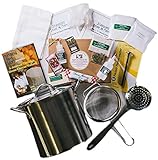
This is the kit for someone starting from an empty kitchen. It combines the award-winning Ultimate ingredient set with real equipment: an 8-quart stock pot with lid, a stainless steel fine mesh strainer, a high-temperature BPA-free skimmer spoon and a soft cheese mold sized for ricotta and feta. It is the only kit in this roundup that does both jobs in one box.
The ingredient list is also the most complete advanced set available, including liquid rennet and calcium chloride rather than the tablet-and-citric-acid approach most kits use. It rates 4.4 out of 5 across 110 reviews with 68 percent five-star, and the support is a genuine standout: buyers mention fast email replies, replacement parts and free re-sends of the digital cookbook.
Two things put people off that are not really faults. The pot is deliberately thin and lightweight, which feels flimsy until you notice it heats quickly and doubles as a water bath for cooling, and the review summary above is worth reading. The thermometer is harder to read at exact temperatures than a digital model, and the instructor in their own video uses a digital one.
Who is this bundle actually for?
For a first-time buyer with no pot, no strainer and no molds. It is also the only kit here that includes calcium chloride, which helps pasteurized milk form a stronger curd, so it is a sensible choice if you are stuck buying standard supermarket milk and want the best possible outcome from it.
What is still missing after the box is open?
A cheese press. Nobody in this roundup includes one, and you will need a rigid form plus weights for anything pressed, from paneer to a farmhouse cheddar. The pot, strainer, skimmer and mold it does include will save you three separate purchases, which is the real value here.
9. Grand Way Cheese Mold with Follower and Cheesecloth — best starter mold set
Grand Way Cheese Mold with a Follower and Cheesecloth – Cheese Making Kit – Cheesemaking Supplies – Cheese Set for Press – Reusable Cheesecloth – 100% Cotton Cloth for Straining – Paneer Maker
Food-grade mold with press follower,100% cotton cheesecloth 39 x 36 inch
Pros
- Two essential pieces in one inexpensive set
- Sturdy
- easy to clean and the mold is dishwasher safe
- Suitable for soft semi-soft semi-hard and hard cheeses
- The cloth doubles for straining bandaging and cooking
Cons
- Follower is noticeably smaller than the mold opening and leaves a lip on the cheese
- Listed 1.5 L capacity runs higher than the mold actually holds
- Smaller than product photos suggest for some buyers
With more than 1500 reviews, this is the most widely used item in the whole roundup, and it is not a kit at all. You get a food-grade polypropylene cheese mold with a press follower and a 100 percent cotton cheesecloth measuring 39 by 36 inches. That is the entire package, and it is the bare minimum for turning loose curd into a shaped cheese.
It holds 4.5 out of 5 across 1586 reviews with 75 percent five-star, and reviewers keep calling it the right beginner size, sturdy for what it costs and easy to wash. The mold is dishwasher safe and works for pressing tofu, and a QR code printed on the side links to a recipe eBook.
It suits soft, semi-soft, semi-hard and hard cheeses according to the manufacturer, and the cloth is genuinely multi-purpose: straining, bandaging and cooking. The one component that generates real complaints is the follower, which is noticeably smaller than the mold opening and leaves an unwanted lip around the edge of the finished cheese.
Do you need anything beyond this set to make cheese?
Almost everything. There is no rennet, no citric acid, no cultures and no salt here, and the cheesecloth is a straining tool rather than a draining cloth. Buy an ingredient kit alongside it, and add a thermometer, because the capacity and dimensions listed do not include a temperature gauge of any kind.
Is the stated capacity accurate?
Treat it as optimistic. Buyers report the listed 1.5 litres runs closer to half that in practice, and the mold is smaller than the product photographs imply for anyone expecting a dinner-plate width. It is 5.9 inches across and 2.76 inches tall, which is a realistic single-portion size rather than a wheel.
10. PetriStor Two Cheese Molds with Pistons and Cloths — best for pressed cheeses
2 pcs Cheese Mold with a Follower Piston and Cheesecloth – Cheese Making Kit – Cheesemaking Supplies – Cheese Form Mold – Cheese Making Basket – Cotton Cloth For Straining – Molde Para Queso
2 hard cheese forms with follower pistons,2 cheesecloths,1.3 quart each
Pros
- Highest five-star share of anything tested at 80 percent
- Thick-walled solid polypropylene that does not impart odor
- Accurate published dimensions for both form and piston
- Two-pack works for soft semi-soft hard and blue cheeses
Cons
- No wooden press is included so only light compression is realistic
- Forms only with no draining accessories beyond the two cloths
This is the form to buy if your ambitions run beyond soft curds. You get two 1.3-quart hard cheese forms with follower pistons and two cheesecloths, made in Ukraine from thick-walled solid food-grade polypropylene. It rates 4.6 out of 5 across 503 reviews, and at 80 percent five-star it has the highest five-star share of any product in this roundup.
What separates it from cheaper forms is fit and thickness. The piston dimensions are published precisely — 3.9 inches across the top, 5.1 inch base, 2 inches high — and buyers specifically note that the follower fits properly and the walls are thick enough not to flex. No plastic odor and no plastic taste in the finished cheese, which is a complaint that comes up constantly with cheaper molds.
It handles soft, semi-soft, hard and blue cheese styles as well as tofu blocks, so a single purchase covers most pressing and molding work you will do as a beginner. The forms are 6 inches across at the top with a 5.5 inch base and 2.7 inches of height, and the whole set weighs about 195 grams.
How much pressure can you actually apply?
Only light to moderate compression, because no press is included. The forms are designed to sustain pressing weights when paired with a press you buy separately, but on their own you are working with the weight of the follower. If you want to press a firm farmhouse-style cheese, budget for a wooden or acrylic press as a second purchase.
Is this a complete kit?
No, and the listing is more honest about it than most equipment sets. It is forms and cloths, nothing more. Pair it with the Fermentaholics or Standing Stone Farms ingredient kit and you have a low-compression pressing setup for paneer, queso blanco and farmer’s cheese at a fraction of the price of a mold and press bundle.
Ingredients-Only vs. Equipment-Included: the mistake almost everyone makes
Look at the product name and it is easy to assume every item on this list is a complete cheese making kit. Three of them are not. The Country Trading Co. mold set, the Grand Way mold and cloth, and the PetriStor form set contain zero rennet, zero citric acid, zero cultures and zero cheese salt. They are tools, and useful ones, but buying one and expecting cheese at the end of it is the most common way beginners conclude that cheesemaking does not work.
An ingredient kit supplies the consumables: the coagulant that turns milk into curds, the acid or cultures that shape and ripen them, calcium chloride to strengthen curd from pasteurized milk, and salt. The list in this roundup that contains all four is short — the Fermentaholics kit, both Standing Stone Farms ingredient kits, the Big Cheese kit, and the two mozzarella-focused kits all qualify, with the Standing Stone Farms Ultimate being the only one that also carries both culture types.
An equipment kit supplies the durable tools: molds, followers, strainers, muslin and thermometers. These are one-time purchases that last years, which is exactly why experienced makers in the forum discussions say plainly that technique matters more than ingredients. You can improvise a press out of a food-safe container and a weight. You cannot improvise rennet.
So buy the equipment you are missing and the ingredients you will consume, and do not pay twice for a pot you already own. The [Standing Stone Farms Complete Cheese Making Kit](https://www.clevelandheart.com/best-cheese-making-kits-for-beginners/) bundle in this roundup is the rare box that genuinely contains both categories, and for a first-time buyer starting with nothing it is the only one that removes the guesswork.
How to Choose a Cheese Making Kit
Match the kit to the cheese style you actually want
Cheese styles demand different things from a kit, and this is the axis that matters most. Fresh acid-set cheeses such as ricotta, paneer and queso blanco need only citric acid and heat. Fresh rennet-set cheeses such as farmhouse cheese and halloumi need rennet plus a culture. Pasta filata cheeses — mozzarella, burrata and string cheese — need rennet, a thermophilic culture and hot water for stretching.
Then come the rinds. Bloomy rind cheeses like camembert need a mold and an aging space at steady humidity. Washed rind cheeses need brining and regular turning. Blue cheese needs piercing and a cave. Semi-hard and aged hard cheeses need both culture types, calcium chloride, a press and months of affinage. A ten-cheese kit covers the first three categories well and the fourth badly, so treat a large cheese count as a menu rather than a promise.
Read the milk requirement before anything else
Ultra-pasteurized milk will not form a reliable curd. It is the single most reported cause of failed home cheese, and it is reported here too — buyers of the mozzarella-focused kits describe ultra-pasteurized or homogenized milk producing something closer to cream cheese than mozzarella. Use whole milk that is pasteurized but not ultra-pasteurized, and check the label before you buy rather than after you fail a batch.
Goat and sheep milk are more forgiving for acid-set cheeses and harder to source in volume. If you only have access to standard supermarket whole milk, buy a kit that includes calcium chloride, because it compensates for milk that has been through too much heat to coagulate well on its own.
Is making cheese at home cheaper than buying it?
Yes, once the kit pays for itself, and it usually does within a few batches. The Standing Stone Farms Ultimate converts 20 to 25 gallons of milk, the Big Cheese kit covers 40 batches, and the New England kit supports up to 20 one-pound batches. Buyers of that last kit specifically report saving several dollars per pound against store-bought cheese, which is the arithmetic that matters.
The real cost is milk, not equipment. A gallon of good whole milk makes roughly a pound of fresh cheese, and your molds, muslin and thermometer are reusable indefinitely. The catch is scale: you are not going to save money on your weekly shop, you are going to make better cheese for the same money and occasionally give it away.
What you need at home that no kit includes
A stock pot, a thermometer, a slotted spoon, a colander or fine mesh strainer, and long-wear gloves. The pot and the thermometer are the two that cannot be improvised, and buying them well is worth more than buying a second kit. Everything else you can substitute with what you own, and the Forum crowd is right that technique matters more than the packet the rennet came in.
Long-wear gloves are the item people skip and regret. Stretching mozzarella and burrata means lowering bare hands into near-boiling water, and one bad burn ends a batch and a good mood. Add a thermometer to the pot so you can stop touching the milk directly, too.
What a gifted kit needs to succeed
Kits are popular gifts, and one post we found described someone receiving one on Father’s Day, making the mozzarella, and reporting it came out fine but noticeably firmer than store-bought. That reaction is the most common first-batch outcome in this category, and it is not a defect. Setting that expectation before the box is opened is the difference between a delighted recipient and a disappointed one.
Also pick a kit for the person, not the cheese. For a complete beginner, the Basic Beginner Kit with its short recipes is the right call. For a parent-child activity, the Big Cheese kit wins on molds and batch count because nobody wants a failed complex recipe at the kitchen table. For a foodie who cooks already, the Ultimate kit with both culture types is the more interesting gift.
What not to attempt on a first try
Do not start with an aged hard cheese. Affinage is where beginners plateau, and a failed six-month cheddar teaches almost nothing for six months. Start with an acid-set fresh cheese, then a rennet-set fresh cheese, then a stretched pasta filata cheese, and only then think about a press and an aging space.
Our experience is that the first fresh cheese feels easy and the jump to aging feels like a cliff. That is the progression everybody describes, and the kits that include both culture types are what let you climb it without buying a second ingredient set halfway through.
Kits we would look at next
Our [guide to cheese making kits for beginners](https://www.clevelandheart.com/best-cheese-making-kits-for-beginners/) covers the same kits in more depth if you want the full breakdown. If you are short on time, though, the decision tree above is enough: buy ingredients, buy the equipment you are missing, and pick the cheese you want to eat.
Common Beginner Cheese Making Problems
The curd will not form at all
Almost always the milk. Ultra-pasteurized whole milk has been heat-treated to extend shelf life, and the protein structure needed to coagulate no longer responds properly to rennet or acid. Switch to pasteurized but not ultra-pasteurized milk and the same kit that failed you will suddenly work. If you must use supermarket milk, add calcium chloride, which strengthens the curd and is included in only two of the ingredient kits here.
The cheese will not stretch
This is the most common complaint in forum threads, and it usually has three causes. Stretching requires a thermophilic culture in the milk, not just rennet, and an acid-curdled cheese will never stretch no matter how long you pull it. The water must be genuinely hot — around 145 degrees Fahrenheit is the working range — and the curd has to be kneaded to the point where it is smooth and elastic rather than cracked.
Your first ball of mozzarella will be firmer and denser than the store-bought version. That is normal and it is what everyone reports, so set the expectation early rather than treating it as failure.
The texture is grainy or crumbly
Graininess is over-treatment, not a bad kit. Cutting the curd too fine, stirring it too aggressively, cooking it too long, or draining it for hours under heavy weight all break the curd down into grains that will never knit back together. Cut larger, stir gently, drain briefly and press under moderate weight, and the texture firms up into something sliceable.
There is no flavor in the finished cheese
That is what a fresh cheese is. Mozzarella, ricotta and paneer are meant to be mild and are used as an ingredient rather than eaten on their own. Flavor comes from aging, from salting properly with cheese salt rather than table salt, and from the herbs and spices you add yourself — several kits ship no flavorings at all. If you want complex flavor on day one, age the cheese, and that requires cultures and months of patience.
Frequently Asked Questions
What is the best cheesemaking kit?
The Standing Stone Farms Ultimate Cheese Making Kit is the best all-round choice, because it is the only kit in our test group carrying both mesophilic and thermophilic cultures alongside rennet, calcium chloride, citric acid and flake salt. That combination covers fresh cheeses immediately and leaves the door open to aged styles later. For a lower-commitment first purchase, the Standing Stone Farms Basic Beginner Kit makes 10-15 pounds of cheese and costs less.
Is it cheaper to make your own cheese?
After the first few batches, yes. A kit that supports 20 one-pound batches, or 40 batches in the case of the Big Cheese kit, spreads its cost thinly, and buyers of the mozzarella kits report saving several dollars per pound against store-bought cheese. Milk is your main ongoing expense at roughly a gallon per pound of fresh cheese. Molds, strainers and thermometers are reusable, so they never enter the per-batch cost again.
How can a beginner make cheese?
Five steps cover most fresh cheeses. Heat your milk to the temperature in the recipe. Add the rennet or citric acid from your kit and let it sit undisturbed until the curd forms. Cut the curd at an even size and stir gently. Drain through muslin or a colander, then salt and press or mold. Keep the milk below ultra-pasteurized, and expect your first cheese to be firmer than the store-bought version.
What are common problems in homemade cheese?
The four big ones are curd that will not form, cheese that will not stretch, grainy or crumbly texture, and finished cheese with no flavor. Curds that will not form almost always mean ultra-pasteurized milk. Cheese that will not stretch means no thermophilic culture, insufficient water temperature, or under-kneading. Graininess comes from cutting, stirring, cooking or draining too aggressively. No flavor simply means you have made a fresh cheese rather than an aged one.
Do I need a cheese press to make cheese at home?
Not for your first batch. Ricotta, paneer, queso blanco and most fresh cheeses need only a mold, muslin and gravity or light pressure. A press becomes necessary for firmer cheeses such as halloumi, farmer’s cheese and anything you intend to age. None of the kits we tested include a press, so plan on buying a wooden or acrylic press separately if pressing is part of your goal.
The Best Cheese Making Kit for 2026
After ten kits and a lot of curds, the Standing Stone Farms Ultimate Cheese Making Kit is our best cheese making kit overall, and the only reason to hesitate is cost and packaging complexity. It is the sole kit in this roundup that gives you mesophilic and thermophilic cultures together, which is the difference between a kit you will outgrow in a month and one that can follow you into aged cheese.
Buy the Basic Beginner Kit instead if you want the shortest path to your first batch, the Fermentaholics kit if you want the gentlest introduction to technique, and The Big Cheese kit if batch count and included molds matter most to you. Whatever you choose, buy non-ultra-pasteurized whole milk, expect a first cheese that is firmer than the store-bought one, and remember what experienced makers keep saying: technique matters far more than the kit.